Electric Boats and the Modern Marina
5 Surprising Truths About Electric Boats — And What They Mean for Modern Marinas
A Quiet Shift on the Water
For generations, boating has come with a familiar soundtrack: the rumble of an engine, the smell of fuel, the low vibration that settles into your bones over a long day on the water. It’s been so ingrained in the experience that few questioned it.
That’s beginning to change.
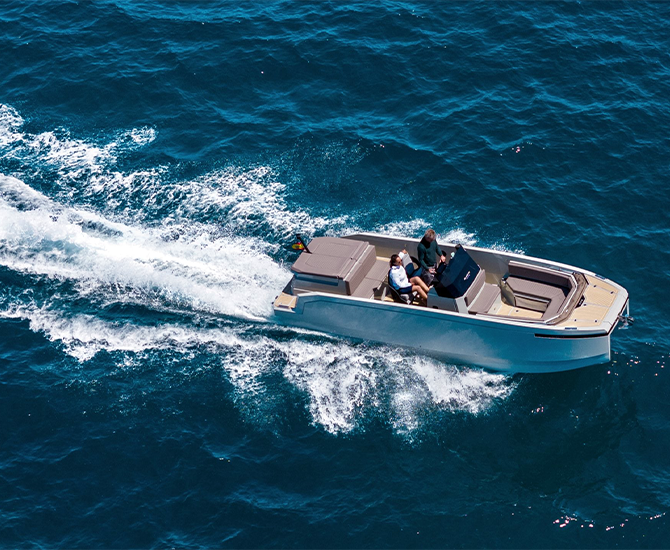
Across lakes, harbors, and coastal marinas, a quieter shift is underway. Electric propulsion is moving from novelty to reality , not just changing how boats are powered, but how marinas operate, how guests experience waterfronts, and how infrastructure is planned for the future.
While electric boats are often framed as an “eco-friendly” alternative, that label only scratches the surface. The real story goes far beyond emissions. It’s about economics, performance, maintenance, noise, and the day-to-day realities of running a marina in a changing world.
Here are five truths about electric boats that matter not just to boat owners but to the marinas that serve them.
1. The Economics Are Counterintuitive, and Increasingly Compelling
Electric boats often come with higher upfront costs, which naturally raises skepticism in an industry already known for expensive ownership. But when viewed through a marina or long-term operational lens, the economics flip quickly.
The biggest difference shows up after launch day.
Electric propulsion dramatically reduces ongoing operating costs. Across the industry, owners are seeing annual cost reductions of 70–80%, driven by two factors that marinas feel directly:
Fuel vs. Shore Power
Charging an electric boat using shore power costs a fraction of marine gasoline or diesel. For a typical recreational season, electricity costs can land in the hundreds of dollars — compared to several thousand in fuel. For marinas, this creates more predictable energy demand and opens the door to new, recurring shore power revenue models.
Maintenance All but Disappears
Electric motors have far fewer moving parts than internal combustion engines. There are no oil changes, spark plugs, fuel filters, or complex winterization procedures. Annual service time drops from dozens of labor hours to just a handful. For marinas, this means less service yard congestion, fewer spills, and fewer maintenance-related disruptions on the docks.
The result is a quieter but profound shift: boating becomes more financially sustainable over the life of the vessel, and marinas benefit from cleaner, simpler operations.
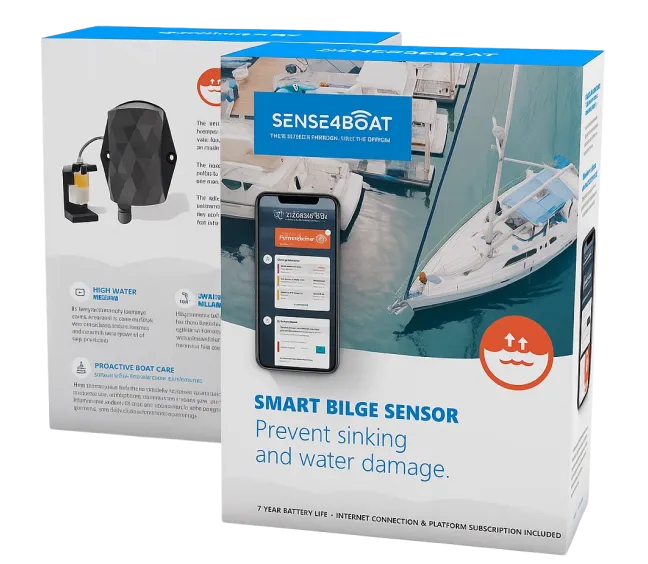
Winter bilge care tips:
- Test pump function and float switch movement
- Clear debris from the bilge area
- Make sure discharge lines are unblocked
2. Performance Isn’t the Tradeoff — It’s the Upgrade
One of the most persistent myths around electric boats is that they’re slow or underpowered. In reality, the physics of electric motors give them a performance advantage that matters in marina environments.
Electric motors deliver instant torque. Power is available the moment the throttle is engaged — no RPM ramp-up, no lag. For operators and marina staff, this translates into:
- Smooth, predictable acceleration
- Precise low-speed control
- Easier maneuvering in tight slips and fairways
These qualities are especially valuable in crowded marinas, during docking, and in adverse conditions. The same mechanical simplicity that reduces maintenance also enables more direct, responsive control.
Modern electric boats now reach speeds comparable to their gas-powered counterparts, removing the old performance-versus-sustainability debate entirely. What remains is a different kind of performance — one that prioritizes control, confidence, and safety around docks.
3. The Biggest Upgrade Is Sensory — and Marinas Feel It First
The most immediate difference electric boats bring isn’t visible on a spec sheet. It’s experiential.
Traditional gas engines often operate in the 85–95 decibel range — similar to lawn equipment — creating constant background noise across marina basins. Electric boats typically operate closer to 65–75 decibels, a level where normal conversation is possible.
For marinas, the impact is tangible:
- Fewer noise complaints
- More pleasant dockside environments
- Better experiences for guests, tenants, and waterfront visitors
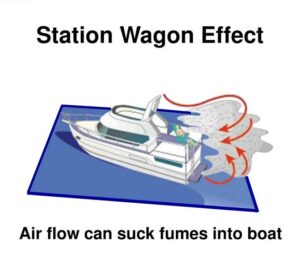
Beyond sound, electric boats eliminate exhaust fumes and significantly reduce vibration. That translates to less boater fatigue and a calmer, more welcoming atmosphere — especially in mixed-use waterfronts where marinas sit alongside restaurants, parks, and public spaces.
As one electric boater described it:
“It’s like steering a whisper.”
That quiet doesn’t just change the ride — it changes the character of the marina itself.
4. The Environmental Impact Goes Beyond Emissions
Electric boats don’t just clean up what comes out of an exhaust pipe — they reduce several forms of pollution that directly affect marinas and waterways.
Water Quality
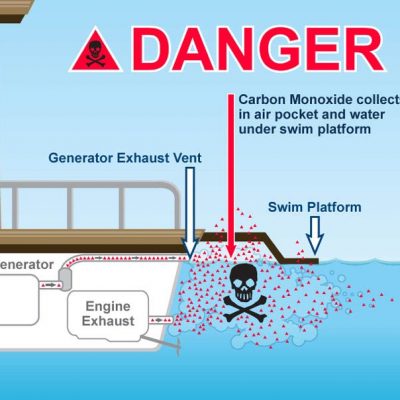
Fuel spills, oil leaks, and lubrication runoff are an unfortunate reality of internal combustion engines. Electric propulsion eliminates these risks entirely, helping keep basins cleaner and reducing long-term environmental liability for marina operators.

Underwater Noise
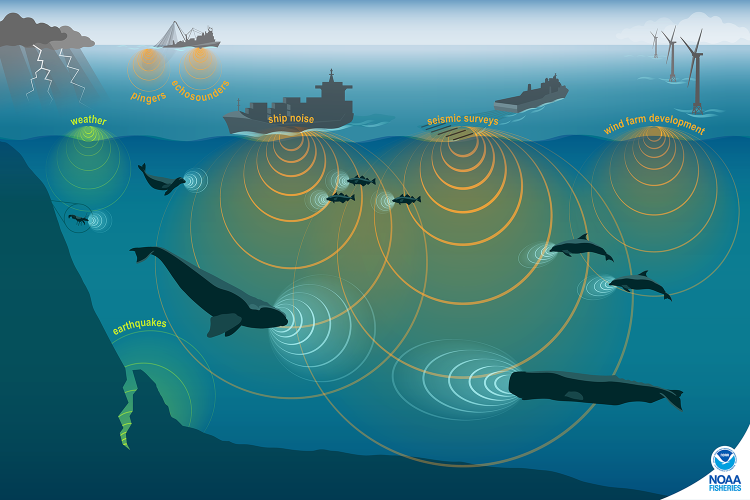
Combustion engines generate significant underwater noise, which disrupts marine life that relies on sound for navigation and communication. Electric motors operate far more quietly below the surface, helping restore natural soundscapes — particularly important in sensitive coastal and inland waterway environments.
For marinas operating under increasing environmental scrutiny, electric boats support compliance efforts while aligning with broader sustainability goals at the city, port, and regional level.
5. Maintenance Becomes the Exception, Not the Rule
Perhaps the most transformative shift electric boats bring is the disappearance of constant upkeep.
The contrast is stark:
Gas Engines
Oil & filter changes |
Spark plugs & fuel systems |
Complex winterization |
Lifespan: ~1,500-5,000 hrs |
Electric Motors
None |
None |
Minimal |
Lifespan: ~20,000+ hrs |
For marinas, this means:
- Less time boats are out of service
- Fewer spills and mechanical failures
- More reliable shared-use or rental fleets
- Reduced pressure on maintenance infrastructure
Ownership becomes less about constant caretaking and more about readiness — boats that are simply available when people want to use them.
Conclusion: What Electric Boats Signal for the Future of Marinas
Electric boats represent more than a new propulsion technology. They signal a broader shift in how marinas think about infrastructure, experience, and long-term resilience.
Quieter docks. Cleaner basins. Simpler operations. Predictable energy use. Happier tenants and guests.
As battery technology improves and charging infrastructure expands, electric boats will increasingly influence where boaters choose to dock — and how marinas differentiate themselves in a competitive market.
The question is no longer whether electric boats will play a role in the future of boating. It’s how marinas prepare for a world where quiet, clean, and connected vessels become the norm.
And as our waterways grow calmer and more accessible, it’s worth asking:
How might this shift change not just how we boat — but how we experience our waterfronts altogether?
Be safe, stay prepared, and enjoy every moment on the water.
— The LOKKET Team